The Principles of Stirling Engine Design
Warpfive™ fans are small precision engineered Stirling engines, which are 100% mechanical and do not have any electric components which may stop working if overheated. Consequently they are extremely reliable and with care will last a lifetime.
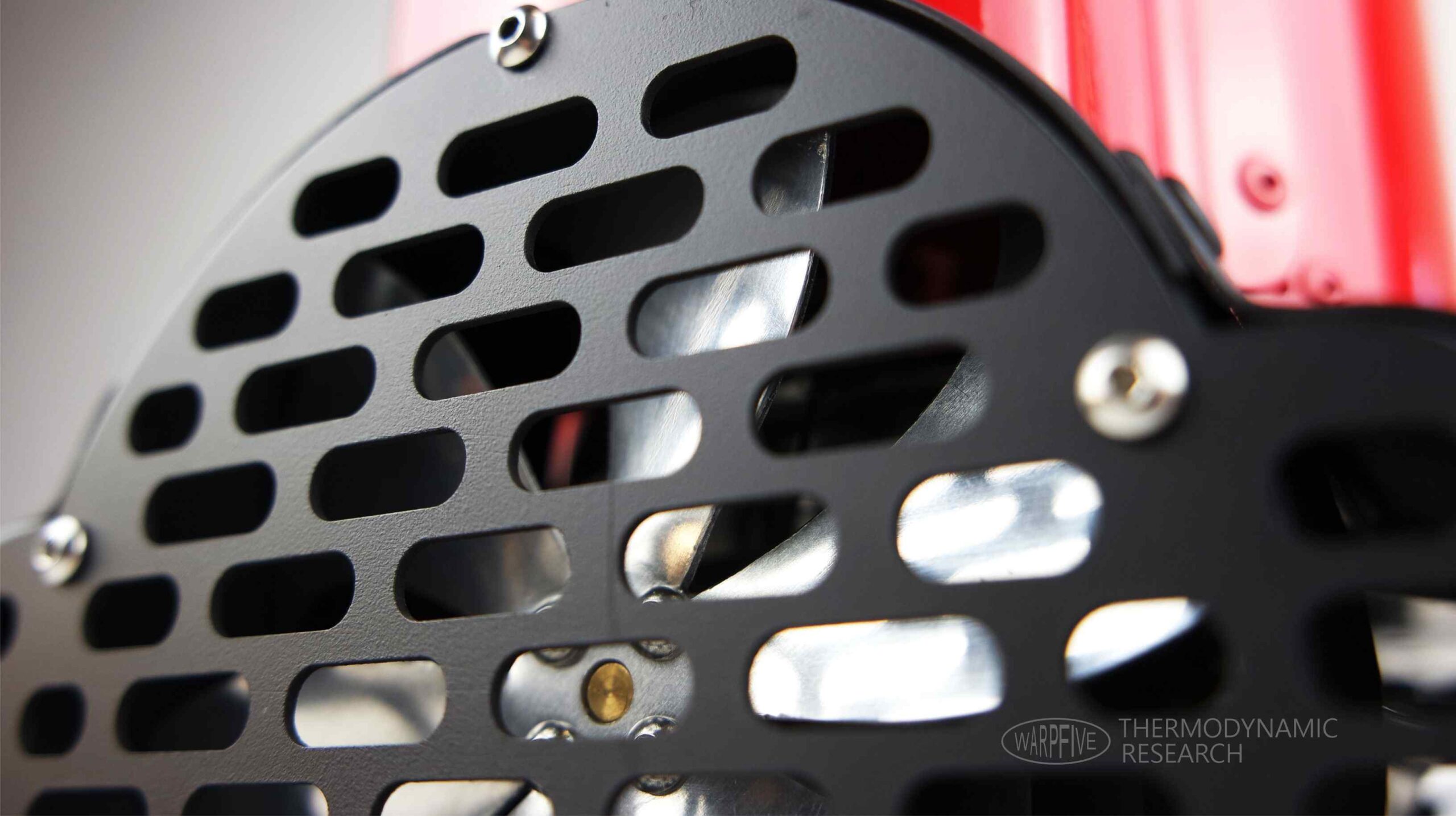
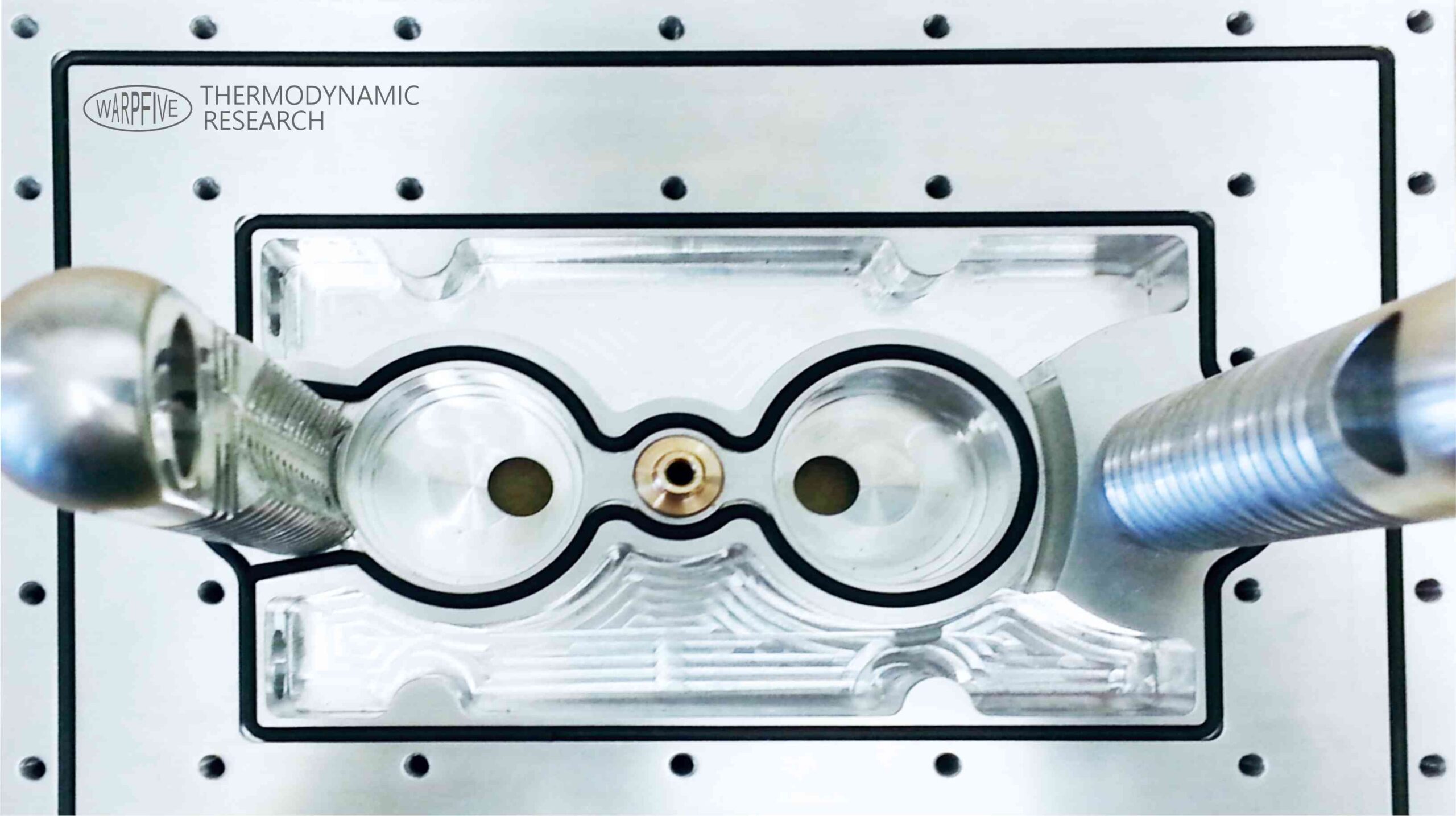
Every engine is precision engineered and handbuilt with durable materials like stainless steel, aluminium, brass and Borosilicate glass. As a result they operate quietly – typically 12dB. Additionally advanced materials (such as graphite) and low friction bearings ensure low maintenance. And a silver thermodynamic heat plate ensures that heat flow is optimised.
Warpfive Stirling engine fans have a high power output and low start up temperature. For this reason they move large volumes of air.
All of our Stirling engine fans are individually handbuilt, assembled and tested in Great Britain and come with a 3 year manufacturer’s warranty.
Stirling Engine Reliability Test
Stirling engines are incredibly reliable. The engines on the Warpfive test bed have exceeded 23 years of normal use. During this time period, they’ve been oiled only four times with no other maintenance required.
Test Period
Maximising Thermal Efficiency
A stove fan is an innovative device designed to extract maximum warmth from your heat source. By utilising a Warpfive Stirling engine fan, you can heat your living space up to 40% faster while reducing fuel consumption by up to 22%.
Without a fan, heat naturally rises directly to the ceiling, leaving the lower areas of the room cool. A Warpfive fan actively circulates this trapped warmth, spreading it horizontally throughout the room to create a more consistent and comfortable environment.


Visualising Thermodynamics
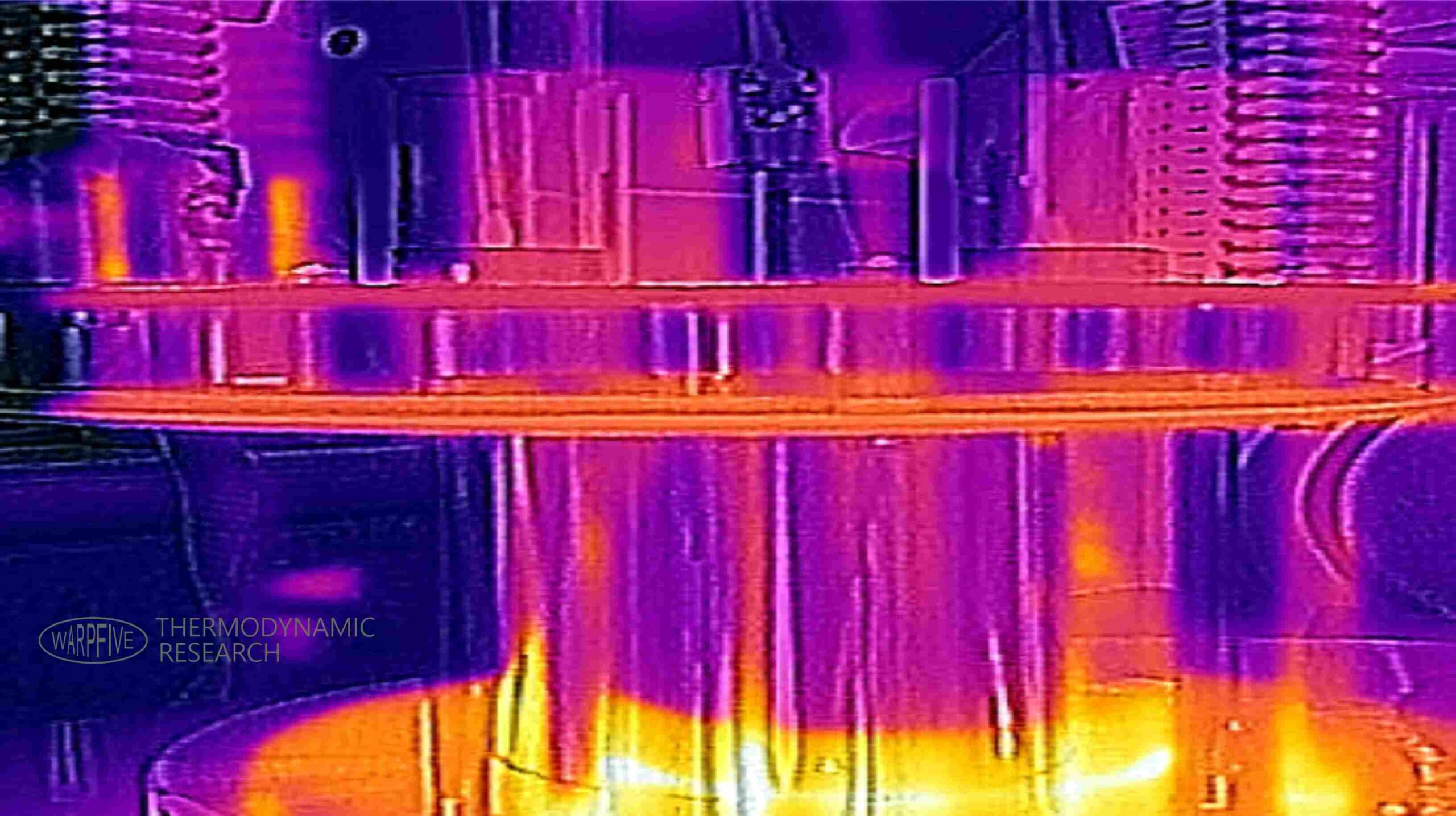
Our engineers utilise FLIR thermal imaging to optimise thermodynamic performance. In this footage, the bright yellow indicates the high-temperature base, while the purple and blue tones represent the cooling plates.
The Stirling Cycle
A Stirling engine operates by rapidly heating and cooling a fixed volume of sealed air. This continuous cycle converts thermal energy into silent mechanical power. Read more.
Precision Engineering
Every Warpfive engine is hand-built in Great Britain using high-grade materials. We incorporate advanced components—such as self-lubricating graphite—to ensure a lifetime of maintenance-free operation. Video library.
The Future of Thermodynamics: Warpfive R&D
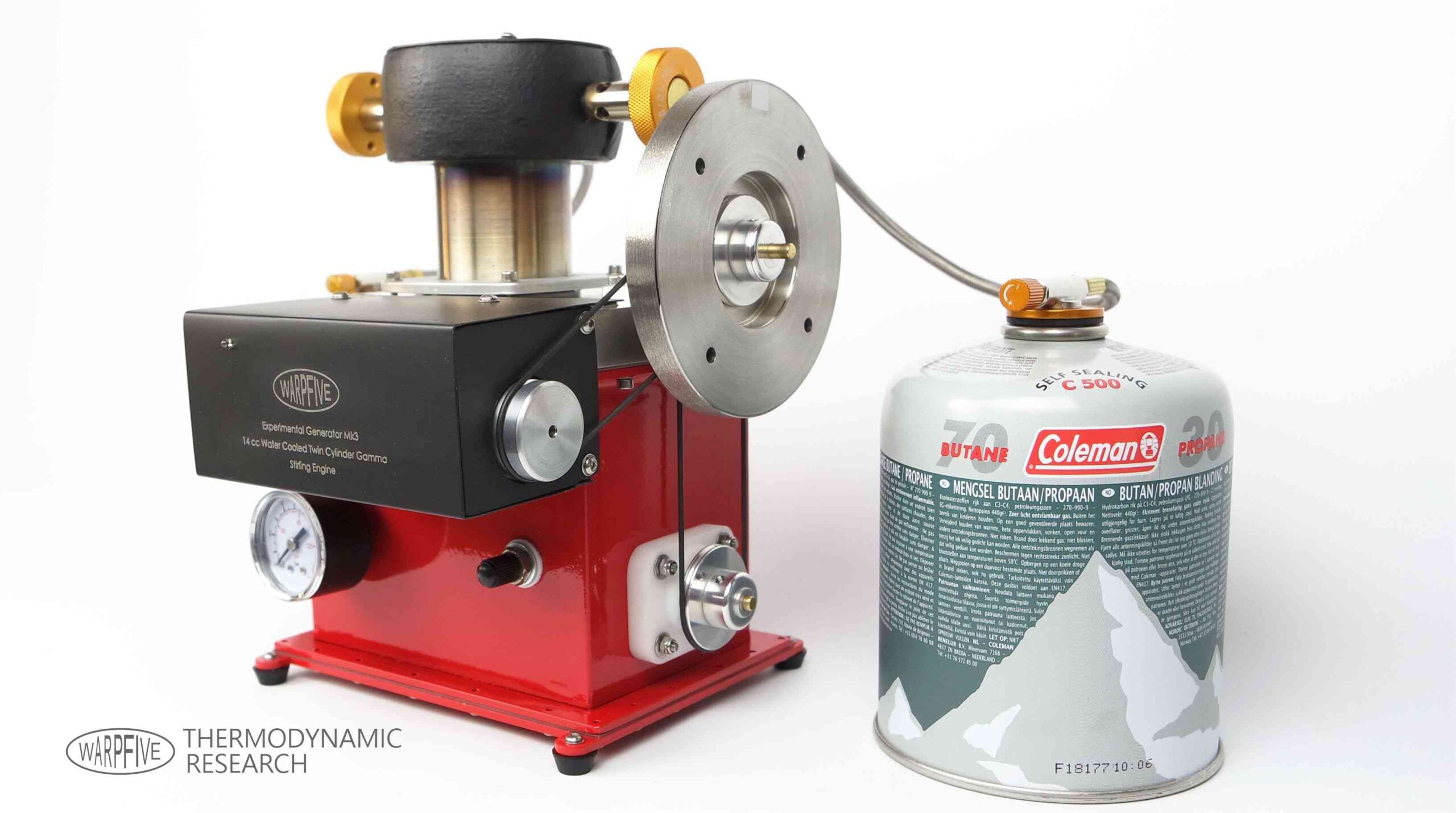
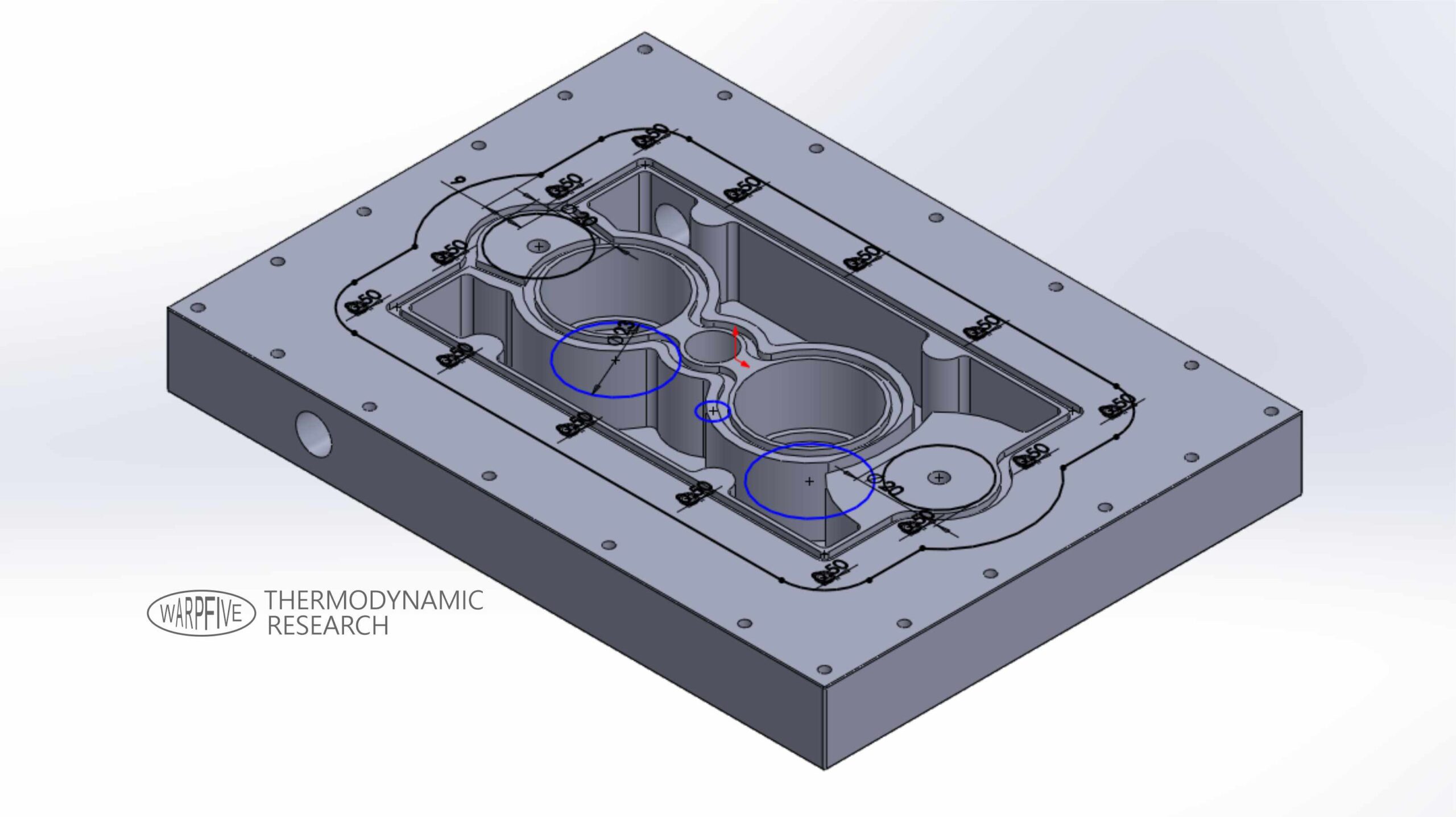
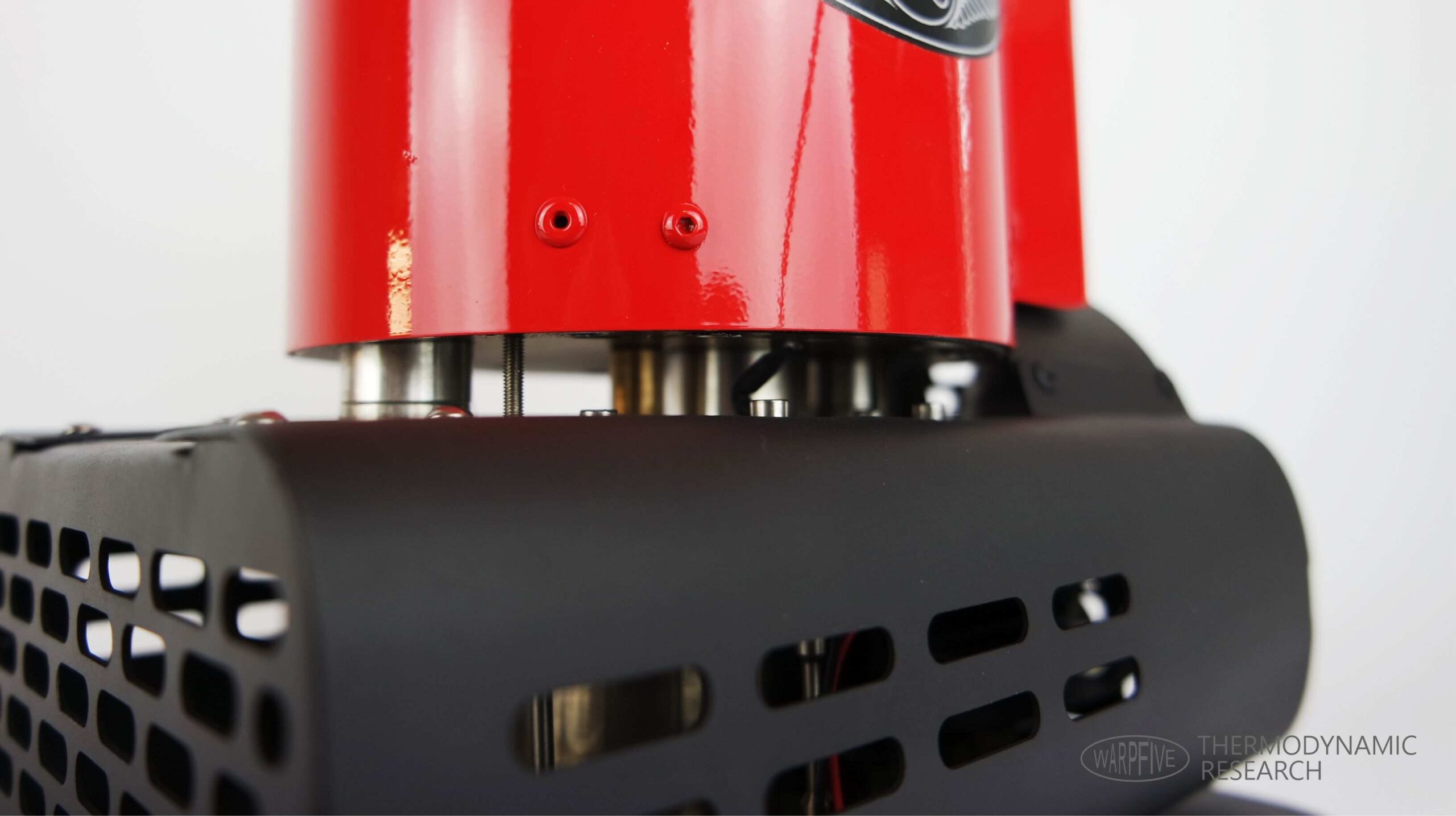
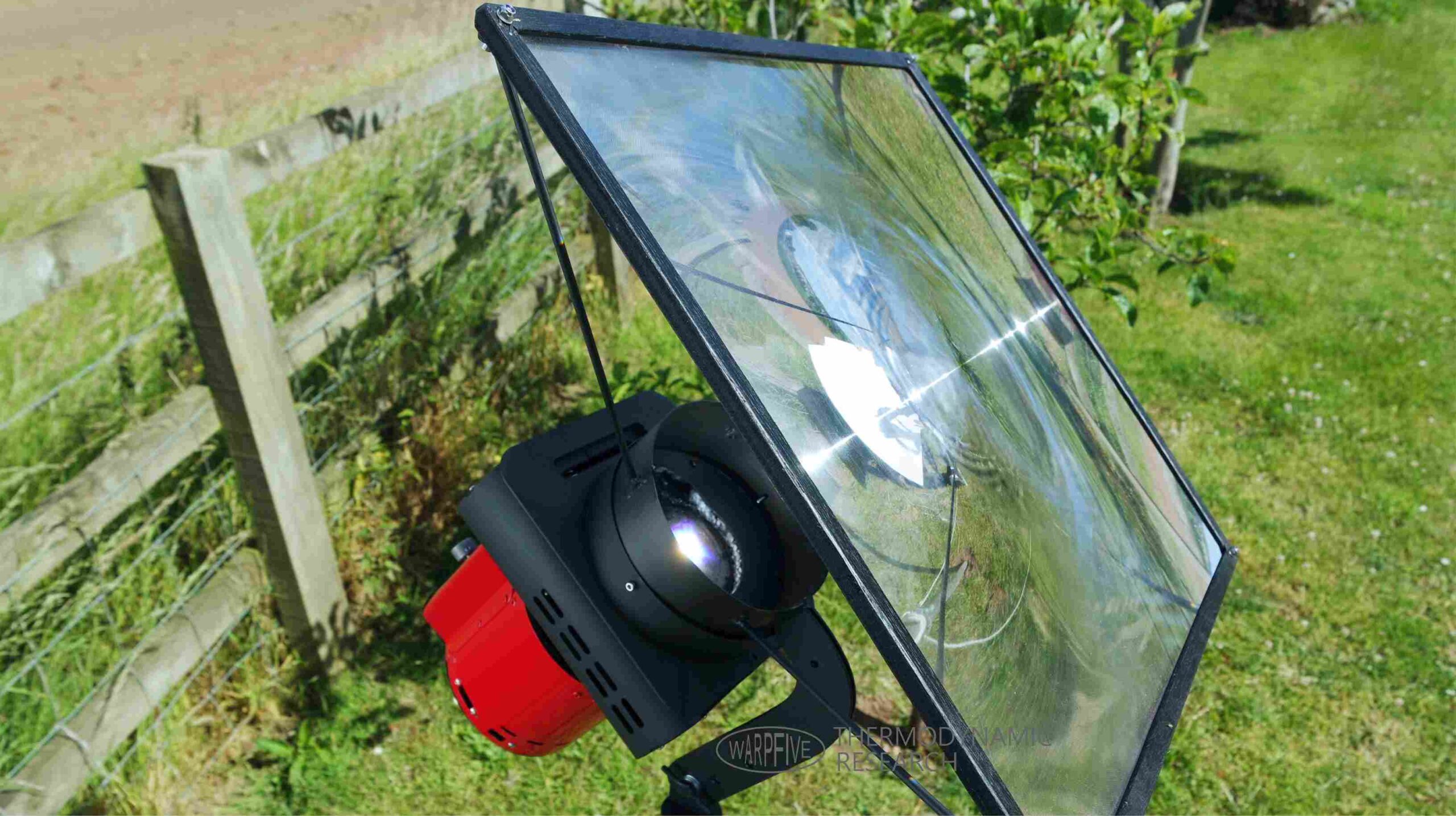
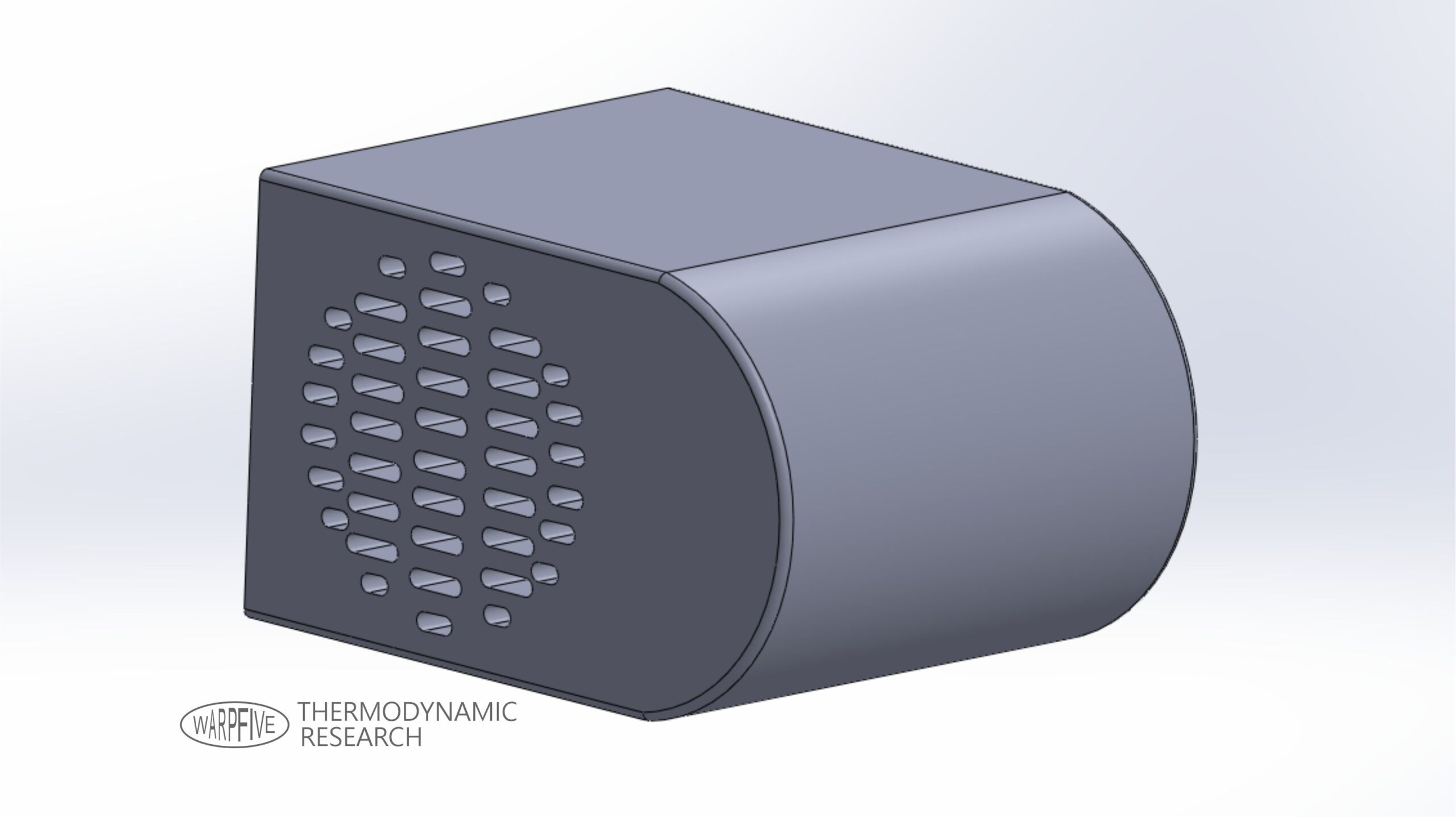
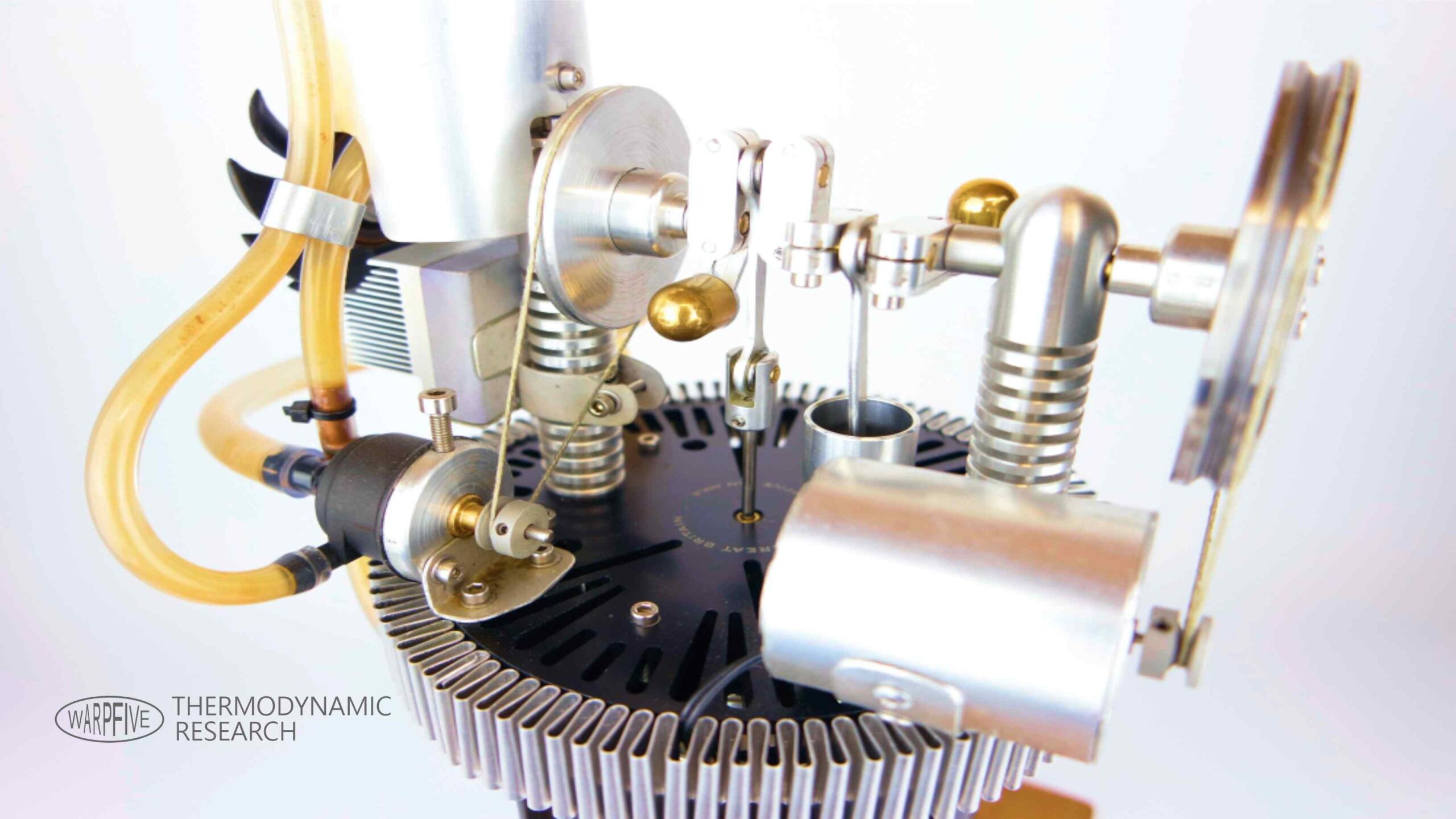
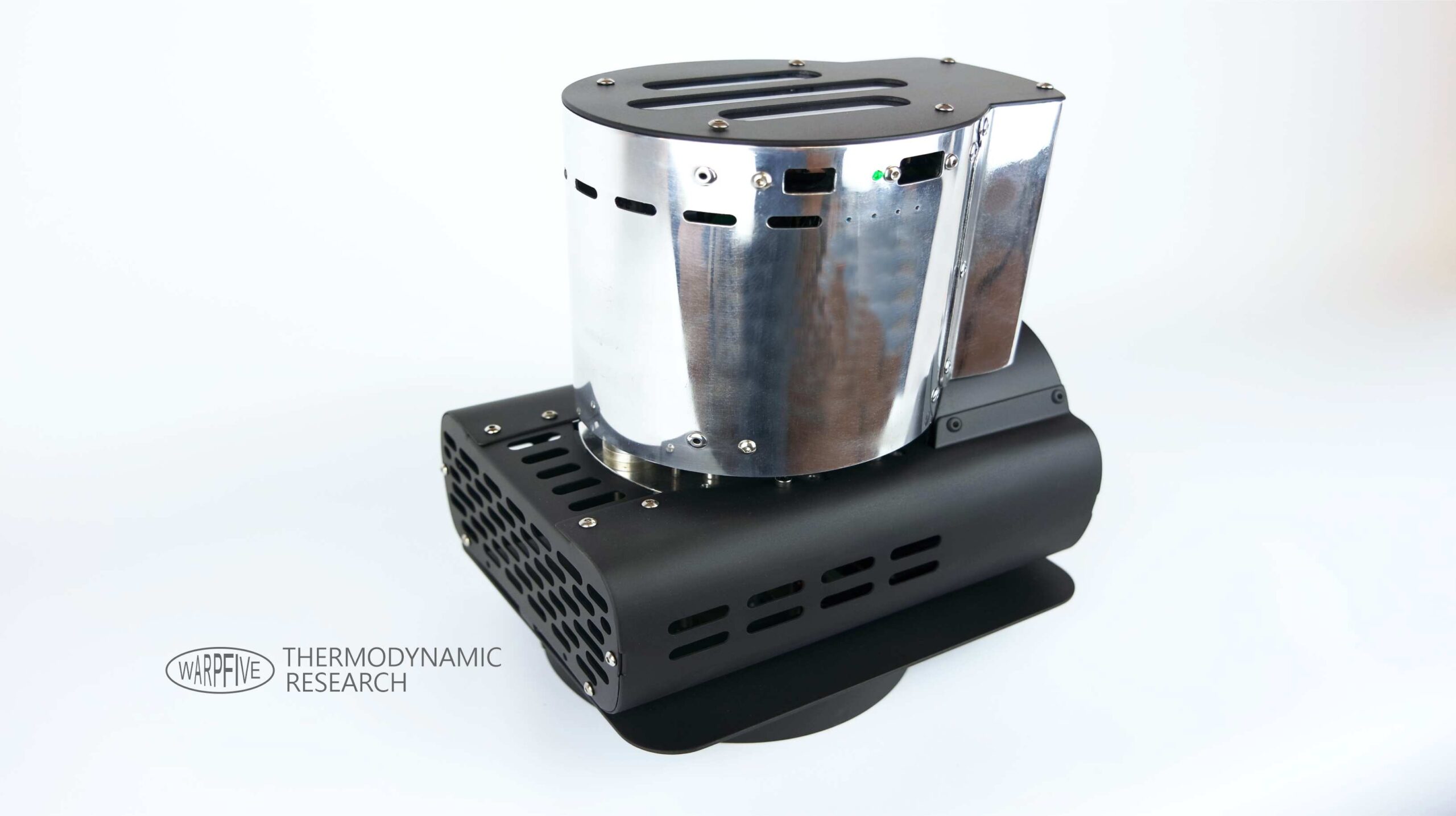
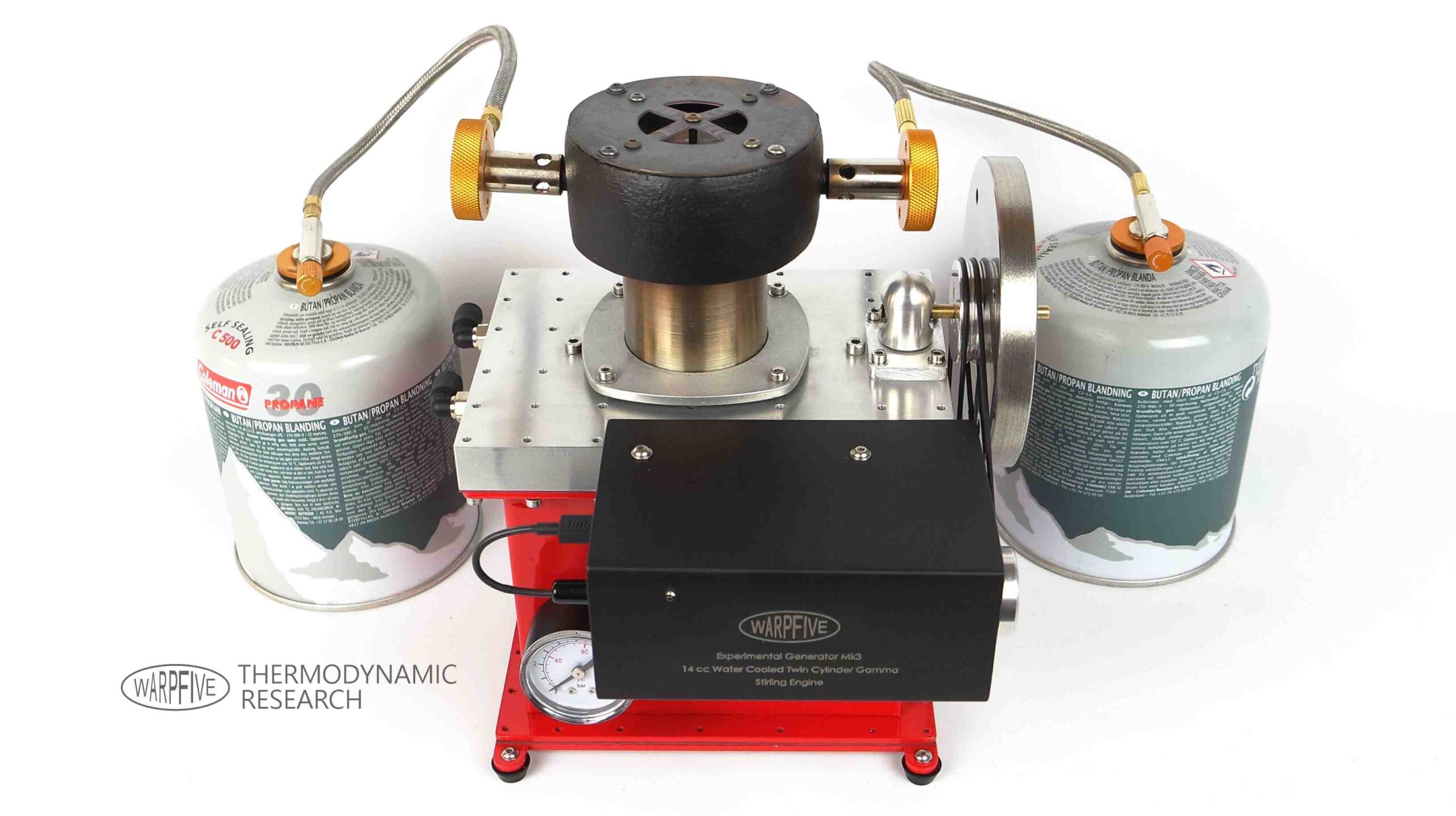
Research and development at Warpfive is a continuous process focused on the fundamentals of heat management. Our engineers explore emerging technologies and alternative power sources to further refine the Stirling cycle, ensuring our engines remain highly efficient tools for a low-emission world.
Development Continues
The Stirling engine is celebrated for its exceptional efficiency, silent operation, and its unique ability to harvest energy from virtually any heat source. As the demand for renewable energy grows, this 200-year-old cycle has become a focal point for 21st-century innovation—powering everything from deep-space satellites to high-performance solar electricity generators.
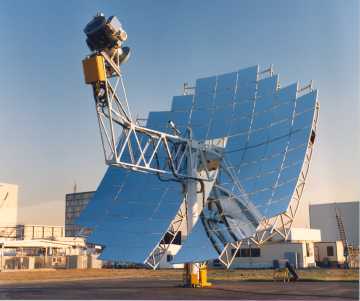
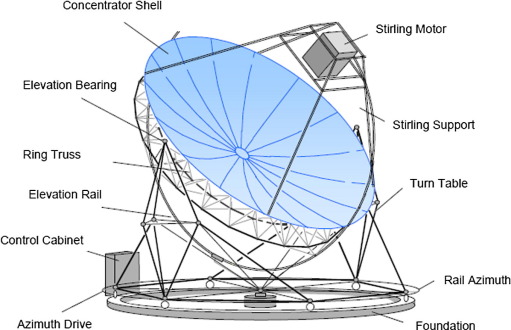
Modern adaptations of the Stirling cycle often employ pressurised hydrogen or helium to achieve extreme thermal gradients. Today, the technology is utilised across diverse industries—from cryogenic refrigeration and submarine propulsion to high-efficiency off-grid electrical production—ensuring the Stirling engine remains a vital tool for a low-emission future.
The Legacy of Robert Stirling
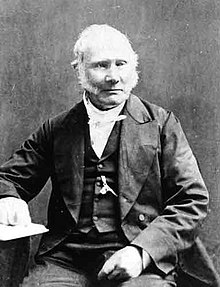
Reverend Robert Stirling (1790–1878)
In 1816, Reverend Robert Stirling of Scotland patented a revolutionary power cycle designed as a safer alternative to the volatile steam boilers of the Industrial Revolution. Driven by a desire to prevent the frequent explosions and loss of life caused by faulty steam systems, Stirling’s engine operated entirely without a high-pressure boiler.
His ingenious design utilised external combustion to heat a sealed volume of air, which was then displaced and expanded by two pistons. He also pioneered the regenerator—a device that stored thermal energy during the cycle to drastically increase efficiency.
From 1818 through to the early 20th century, these engines were used worldwide for pumping water and generating electricity. Recognised as a masterpiece of thermodynamic theory, Stirling was posthumously inducted into the Scottish Engineering Hall of Fame in 2014.


